Call Us Today!
(631) 821-2244


Contact lenses have changed a great deal in the last decade. Advances in lens materials, oxygen permeability and surface coatings mean that today’s lenses are more comfortable, healthier for the eye and suitable for a wider variety of visual needs than ever before. Whether someone needs vision correction for everyday life, clearer vision for work and sports, or a cosmetic change in eye color, contact lenses offer flexible options that fit modern lifestyles.
At the office of Soundview Eye Center, we approach contact lens care as both a medical service and a personal fit. Every patient brings a unique combination of prescription requirements, daily activities and comfort preferences. Our goal is to match those factors to a lens solution that provides reliable vision without compromising eye health.
Good contact lens wear begins with the right pair and the right guidance. A properly performed contact lens exam evaluates surface health, tear film quality and blink dynamics in addition to measuring the eye. When those elements are all considered, patients are more likely to enjoy consistent comfort and clear vision throughout the day.
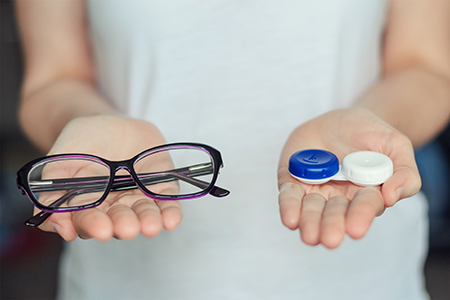
Many people choose contact lenses because they remove the visual and physical limitations of eyeglass frames. Contacts restore a full, unobstructed field of view and track naturally with eye movements, which can improve depth perception and peripheral awareness — advantages that are especially meaningful for sports, driving and hands-on work.
Beyond practical vision improvements, contact lenses also provide aesthetic and convenience benefits. They eliminate reflections and fogging, allow the use of non-prescription sunglasses, and can help patients maintain their intended appearance in professional or social settings. For many, the freedom of lens wear translates directly into improved confidence and daily ease.
New lens materials and disposable wear schedules have reduced the maintenance burden for many patients. That said, the right choice depends on a person’s eye surface, tear chemistry and hygiene habits — which is why a personalized exam and fitting remain essential.
A contact lens exam is more than a glasses prescription. During your visit we measure the curvature and diameter of the eye, assess the health of the cornea and eyelids, and evaluate how your tear film supports comfortable lens wear. These measurements are used to determine the lens design, base curve and diameter that will sit securely and comfortably on the eye.
After measurements, the doctor will typically fit trial lenses so you can assess vision clarity and wearing comfort in real time. We observe lens movement, check for proper centration and ensure the lenses don’t irritate the eye surface. This hands-on testing helps identify the best lens type and wear schedule for your day-to-day needs.
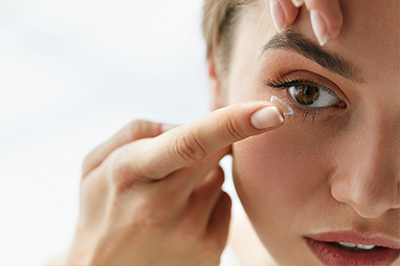
Instruction is an important part of the visit. We take time to show proper insertion and removal techniques, explain cleaning routines if you select reusable lenses, and outline what symptoms should prompt a prompt return visit. A well-structured fitting visit sets the stage for trouble-free wear and long-term eye health.
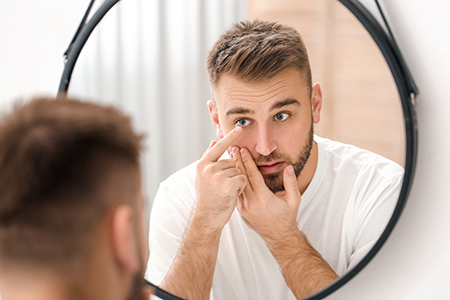
Selecting the right contact lens combines objective measurements with an honest discussion about how you live your life. We consider your prescription, corneal shape, tear quality, typical screen time, athletic activities and how much daily maintenance you’re willing to perform. All these factors influence whether a soft, rigid, disposable or specialty lens will work best.
Medical considerations also guide the choice. Certain conditions — from dry eye to corneal irregularities — affect lens tolerance and long-term comfort. When such issues are present, we may recommend specialty designs or additional treatments to improve lens wearability.
Patient education plays a key role: understanding wear schedules, replacement timelines and signs of trouble reduces risk and increases satisfaction. Our approach emphasizes realistic expectations and practical solutions, so each patient leaves with a clear plan for comfortable lens wear.
Soft lenses are the most commonly prescribed and are known for immediate comfort and flexibility. Modern silicone hydrogel materials allow significantly more oxygen to reach the cornea than earlier designs, which supports healthier wear during longer daytime use.
Daily disposables are single-use lenses worn for one day and discarded at night. They are popular for their low maintenance and lower risk of deposit buildup, making them a convenient choice for many wearers.
Certain lenses are cleared for overnight wear for limited periods under close supervision. While these lenses offer convenience, they require careful monitoring because overnight wear can increase the risk of complications if not managed correctly.
RGP lenses are firmer and maintain their shape on the eye, which can produce very sharp vision and resist deposit formation. They are often recommended when high-quality optics are needed or when corneal shape makes soft lenses less effective.
Toric lenses have specialized geometry to correct astigmatism and prevent lens rotation that would blur vision. They are available in both soft and rigid materials, and modern toric designs offer reliable stability and clear vision.
Multifocal and bifocal contact lenses provide multiple viewing powers within a single lens, allowing patients to see at near and distance without relying solely on glasses. These designs require careful fitting and patient adaptation but can restore functional vision for many middle-aged and older adults.
Monovision uses a single-vision lens in each eye — one set for distance, one for near. It is a practical approach for some patients who do not adapt well to multifocal optics and can be tested during a fitting to evaluate suitability.
Colored and enhancement tints are available for patients who wish to change or intensify eye color. Even when used purely for appearance, these lenses are medical devices and must be prescribed and fitted properly to ensure safe wear.
At the office of Soundview Eye Center, we make sure patients understand the functional differences between these options and how each choice will affect daily wear. Clear communication during the fitting process helps patients make informed decisions that balance comfort, clarity and convenience.
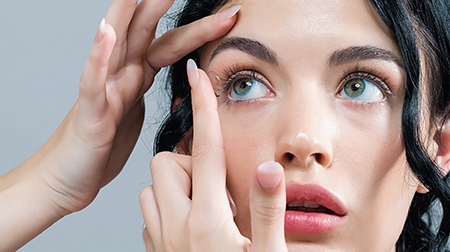
Some eyes need a more customized approach. “Hard-to-fit” cases commonly result from irregular corneal shape, significant astigmatism, post-surgical changes, scarring or conditions such as keratoconus. Dry eye and inflammatory disorders can also make comfortable lens wear more challenging.
Being hard to fit does not mean the end of lens wear. Specialized designs — including custom RGPs, scleral lenses and hybrid lenses — can vault over corneal irregularities and create a stable optical surface. These lenses often require more detailed measurement and follow-up, but they can restore useful vision where standard lenses fall short.
Our team evaluates each case carefully and works through a sequence of trial fits and adjustments until we reach a safe, reliable solution. If non-lens treatments will improve the chances of success, we recommend those as part of a coordinated care plan.
Factors that may make lenses harder to fit include:
Unusual corneal curvature or keratoconus
Significant astigmatism or lens rotation issues
Dry eye or poor tear film stability
Surface scarring or the effects of prior surgery
Allergic conditions or giant papillary conjunctivitis
Good contact lens hygiene is the foundation of safe wear. That means handling lenses with clean, dry hands, following the prescribed cleaning and replacement schedule, and storing reusable lenses in fresh solution each night. If disposable lenses are chosen, using them as directed will reduce deposit buildup and minimize infection risk.
Patients should be attentive to symptoms such as persistent redness, discomfort, sudden vision changes or discharge. These signs warrant immediate removal of lenses and prompt evaluation. Regular follow-up visits allow us to monitor ocular health, confirm fit stability and make adjustments when needed.
Typically, contact lens prescriptions and fittings are reviewed at least annually so the doctor can reassess eye health and ensure the lenses continue to meet a patient’s needs. Routine monitoring is especially important for people with medical conditions that affect the eye surface or tear film.
Summarizing: a successful contact lens experience relies on the right diagnostic testing, personalized lens selection and careful follow-up. If you would like to learn more about contact lens exams or schedule an assessment, please contact us for more information.
A contact lens exam is a focused evaluation that goes beyond a standard glasses prescription to assess how lenses will sit and perform on the eye. The visit includes measurements of corneal curvature and diameter, an assessment of the tear film and eyelid function, and a detailed slit-lamp examination of the ocular surface. These steps identify any health issues that could affect safe lens wear and guide the selection of lens design and material.
The examination typically includes a trial fitting with sample lenses so vision and comfort can be evaluated in real time. During the fitting the clinician observes lens movement and centration and makes adjustments to base curve or diameter as needed. Education on insertion, removal and wear schedule is provided to promote safe, successful adaptation.
A routine eye exam focuses on refractive error and overall ocular health, while a contact lens exam adds diagnostic steps specific to lens wear. Additional testing includes corneal topography or keratometry, tear film stability assessment and evaluation of eyelid interaction with the lens. These measurements ensure the lens will fit the cornea safely and deliver stable, clear vision.
Contact lens visits also include hands-on fitting and observation that you won't get during a standard refraction, plus personalized instruction on lens care and handling. Trial lenses allow the clinician to verify visual performance and comfort before issuing a contact lens prescription. Follow-up visits are scheduled to confirm adaptation and monitor ocular health over time.
Many people are suitable candidates for contact lenses, including those who want an unobstructed field of view, better peripheral vision or freedom from glasses for sports and daily activities. Suitability depends on ocular surface health, tear film quality, lid function and the presence of conditions such as significant dry eye or active eye disease. Individuals with unstable ocular surface disease or recent corneal infection typically need treatment before lens wear can be safely considered.
Patients with refractive errors from mild to high, astigmatism or presbyopia may still be fit successfully with modern lens designs and materials. Those with irregular corneas or previous corneal surgery may require specialty lenses such as rigid gas-permeable, hybrid or scleral designs. A comprehensive contact lens evaluation determines candidacy and identifies the most appropriate path forward.
For the most accurate assessment, follow pre-appointment instructions such as discontinuing contact lens wear for the recommended period if you wear reusable lenses. Bring your current glasses, contact lens boxes or prescriptions and a list of medications and eye drops you use. Avoid wearing eye makeup on the day of the exam and arrive rested so tear film measurements and corneal evaluations are reliable.
Let the clinician know about any history of eye infections, recent ocular surgery or chronic dry eye symptoms before testing begins. If you wear gas-permeable or specialty lenses, bring them to the visit so the team can evaluate fit and surface deposits. Proper preparation helps streamline the fitting process and improves the chance of a successful first appointment.
A contact lens fitting commonly includes keratometry or corneal topography to map corneal curvature, a slit-lamp examination to inspect the ocular surface, and tear film tests such as tear breakup time and meibomian gland evaluation. Refraction is performed to determine the exact prescription, and corneal staining with fluorescein highlights areas of surface compromise. Pupil size and lid position are also assessed to inform lens centration and optics.
After these diagnostic steps, the clinician fits trial lenses and observes how they move and center on the eye during blink and gaze changes. Visual acuity is tested with the trial lenses in place and any symptoms of irritation or dryness are documented. This data-driven approach allows precise selection of base curve, diameter and material for long-term comfort and safety.
At the office of Soundview Eye Center, clinicians combine objective measurements with a detailed discussion of lifestyle and visual needs to choose a lens. Factors such as corneal shape, tear chemistry, daily wear time, occupational demands and personal preference for maintenance or disposables guide the recommendation. Medical considerations like dry eye, corneal irregularity or prior surgery may steer the choice toward specialty designs or adjunctive treatments.
Trial wear and follow-up observations validate the selected lens and allow fine-tuning of fit and material. If initial lenses cause discomfort or poor vision, the practitioner evaluates alternatives such as different materials, lens geometries or replacement schedules. Patient education about realistic expectations and proper care completes the selection process and supports long-term success.
Astigmatism is commonly corrected with toric lenses, which incorporate weighted or stabilized zones to maintain proper orientation on the eye and deliver clear vision. Toric designs are available in soft, silicone hydrogel and rigid gas-permeable materials to suit different eye shapes and deposit tendencies. For more complex corneal shapes, custom rigid or hybrid lenses can provide sharper optics and greater stability.
Presbyopia can be addressed with multifocal contact lenses that provide multiple optical zones for near and distance, or with monovision strategies that assign one eye for near and the other for distance. Multifocal lenses require careful fitting and patient adaptation, while monovision is typically trialed to assess depth perception and overall tolerance. Both approaches are evaluated during fitting to determine which yields the best functional outcome for daily tasks.
If you experience persistent redness, pain, sudden vision changes, light sensitivity or unusual discharge, remove your lenses immediately and store them in fresh solution if they are reusable. These symptoms can signal infection, corneal abrasion or inflammatory response and require prompt clinical evaluation to prevent complications. Do not attempt to self-treat with over-the-counter drops unless directed by your clinician, as some products can worsen certain conditions.
For milder discomfort such as dryness or fatigue, evaluate your lens replacement schedule, solution compatibility and daily wear time with the eye care provider. Adjustments may include switching materials, changing to daily disposables, treating underlying dry eye disease or modifying environmental factors. Timely follow-up ensures issues are addressed before they affect long-term ocular health.
Many children and adolescents can successfully wear contact lenses when they demonstrate responsibility for insertion, removal and hygiene, and when ocular surface health is appropriate. Pediatric fittings place greater emphasis on caregiver education and on monitoring compliance, since child wearers may need more supervision with care routines. For myopia control, specialized options such as ortho-k or multifocal lenses may be considered in consultation with the clinician.
Fitting techniques are adapted for smaller corneal diameters and active lifestyles, and follow-up intervals may be more frequent to confirm proper handling and ocular response. Practitioners evaluate both functional vision and behavioral readiness during the decision process. When fitted and monitored correctly, children can enjoy the benefits of contact lenses while minimizing risks.
Regular follow-up is essential to maintain ocular health and ensure continued fit stability, with many patients reviewed at least annually or more often when starting new lenses. During follow-up visits the clinician rechecks corneal integrity, tear film status and lens fit, and addresses any symptoms or changes in vision. These visits also provide opportunities to reinforce handling, hygiene and replacement routines to reduce the risk of complications.
Ongoing monitoring is particularly important for patients with medical conditions that affect the ocular surface, for those using specialty lenses or for individuals who wear lenses overnight. If problems arise between scheduled visits, prompt evaluation allows timely intervention such as lens adjustments, treatment of dry eye or management of inflammation. Soundview Eye Center supports a structured follow-up plan to keep lens wear safe and effective over time.