Call Us Today!
(631) 821-2244


Clear vision is central to how we work, learn, and enjoy life. Making comprehensive eye exams a routine part of your health care helps detect problems early and keeps your eyes functioning at their best.
During a comprehensive eye exam, our team evaluates both vision and ocular health — from the clarity of your sight to the condition of the retina, optic nerve, and other internal structures. At Soundview Eye Center, we take a broad view of eye care: we determine accurate prescriptions for glasses or contact lenses, screen for sight-threatening conditions, and look for systemic signs that can show up in the eyes, such as diabetes or high blood pressure.
Regular exams are important for people of all ages. Children benefit from early screening that supports learning and development; adults rely on exams to maintain workplace performance and daily independence; and older adults need close monitoring for age-related eye conditions. Making routine visits part of your family’s health plan is a simple, effective way to protect vision for years to come.
A comprehensive exam goes beyond a quick vision check. It combines a careful medical history with a series of targeted tests to create a full picture of ocular health and visual function. That breadth lets clinicians identify subtle changes before they become serious problems.
We begin by reviewing your medical background, medications, family eye history, and any symptoms you may be noticing, such as headaches, blurred vision, or eye strain. These details guide the sequence of tests and help us spot risk factors for hereditary or systemic conditions that can affect the eyes.
Detecting disease early is one of the greatest benefits of a comprehensive approach. Conditions such as glaucoma, age-related macular degeneration, and diabetic retinopathy often develop quietly; routine, thorough exams give us the best chance to preserve sight through timely intervention and ongoing monitoring.
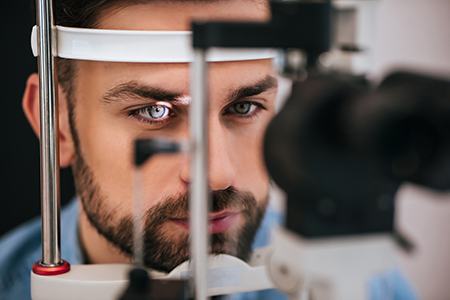
Today’s eye exams are efficient, comfortable, and highly informative. Most visits include a combination of clinical testing and advanced imaging that together evaluate how well your eyes see and how healthy their internal structures are.
Typical testing begins with visual acuity checks and refraction to determine your prescription, then progresses to binocular vision and eye movement assessments. We also measure intraocular pressure and inspect the front structures of the eye with a slit-lamp microscope to spot early signs of disease.
Many exams now include noninvasive imaging — such as retinal photography and optical coherence tomography (OCT) — that capture high-resolution views of the retina and optic nerve. These images create a baseline record we can compare over time, improving our ability to track changes and tailor care.
A comprehensive visit involves a set of specific, generally painless tests that together reveal how your eyes are functioning. While the exact sequence varies by patient, the following procedures are commonly performed to assess visual performance and ocular health.
Most people will experience a combination of manual and automated evaluations. These include standardized acuity tests, screenings for color vision and depth perception, muscle function tests to assess eye alignment and coordination, and measurements of corneal curvature and refractive power to fine-tune prescriptions.
In addition to those standard checks, dilated examination and retinal imaging allow for detailed inspection of the retina and optic nerve. When indicated, we may also perform visual field testing to evaluate peripheral vision or schedule specialized imaging to gather more information about a specific concern.
Visual acuity testing – Measures the sharpness of vision and compares each eye’s clarity to a normal standard.
Color vision screening – Detects inherited or acquired changes in color perception.
Stereopsis and binocular vision tests – Evaluate depth perception and how well the eyes work together.
Extraocular muscle assessment – Checks eye movement control and coordination.
Pupil reaction testing – Observes how pupils respond to light and accommodation.
Autorefraction – A quick, computerized estimate of refractive error to begin the refinement of your prescription.
Retinoscopy – Uses reflected light to help estimate the lens strength needed for clear vision.
Refraction – The subjective test that determines the precise lens prescription for glasses or contact lenses.
Keratometry – Measures corneal curvature, which is important for contact lens fitting and refractive assessments.
Slit-lamp examination – A detailed inspection of the front and interior structures of the eye under magnification.
Visual field testing – Screens for blind spots and peripheral vision loss.
Intraocular pressure measurement – Assesses pressure inside the eye as part of glaucoma screening.
Dilated fundus exam – Dilation allows a comprehensive view of the retina and optic nerve to detect conditions such as diabetic changes, macular degeneration, and other retinal disorders.
Please note: dilating drops typically take 20 minutes to work and can cause light sensitivity for several hours. Sunglasses and a ride home may be helpful after dilation.
Additional testing such as OCT scans, wide-field fundus photography, corneal topography, fluorescein angiography, or automated visual fields may be recommended when more detail is needed. Advanced imaging expands our diagnostic capabilities while remaining noninvasive and patient-friendly.
Our team interprets the results in clear, practical terms and works with you to develop an individualized follow-up or treatment plan, whether that involves corrective lenses, medical therapy, or referral for specialty care when appropriate.
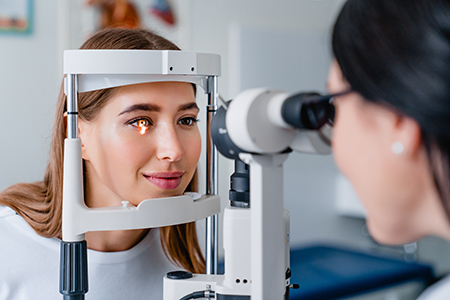
Many vision issues start with subtle symptoms or gradual changes that patients may attribute to fatigue or aging. Comprehensive testing helps differentiate routine refractive needs from conditions that require medical attention.
Refractive errors — such as nearsightedness, farsightedness, astigmatism, and the age-related loss of near focus — are diagnosed through refraction and visual acuity testing. Other conditions, including glaucoma, macular degeneration, and diabetic retinopathy, are identified through pressure checks, retinal examination, and imaging.
Because the eyes can reveal signs of systemic disease, careful inspection of the retinal blood vessels and optic nerve can also provide clues about cardiovascular health, diabetes, and other medical issues. This integrative perspective allows eye care professionals to contribute meaningfully to a patient’s overall health plan.

Once a diagnosis is made, treatment focuses on restoring clear vision and preserving eye health. For many patients, corrective lenses — eyeglasses or contact lenses — provide an immediate improvement in visual function and comfort.
When medical or surgical intervention is required, we collaborate with patients and specialists to identify evidence-based options tailored to the individual. For chronic conditions, ongoing monitoring and periodic imaging help us adjust care plans to prevent progression and maintain the best possible outcomes.
Our goal is to recommend solutions that match your lifestyle and priorities — from low-maintenance lens choices to advanced therapies when indicated — while emphasizing prevention through routine follow-up and education about eye-healthy habits.

Vision needs change over time. Middle age often brings presbyopia — the loss of near focusing ability — while later decades increase the likelihood of glaucoma, macular degeneration, cataracts, and other conditions that can impair sight.
We recommend baseline exams and more frequent monitoring as risk factors emerge, such as a family history of eye disease, diabetes, hypertension, or previous eye injuries. Early detection gives us more therapeutic options and better odds of preserving vision.
Preventive care also includes counseling on lifestyle measures — smoking cessation, proper nutrition, UV protection, and managing chronic medical conditions — all of which contribute to long-term ocular health and quality of life.
Myopia (nearsightedness) – Objects at a distance appear blurry because images focus in front of the retina.
Hyperopia (farsightedness) – Difficulty focusing on close objects when the eye is too short or the optical power is insufficient.
Astigmatism – Irregular curvature of the cornea or lens causes distorted or uneven focus across the visual field.
Presbyopia – An age-related decline in near focusing ability due to decreased elasticity of the eye’s lens.
Children’s visual development is foundational to learning and social interaction. Early eye exams identify conditions that can interfere with reading, classroom performance, and coordination, and timely treatment can prevent long-term problems.
Professional guidelines recommend early screenings in infancy and additional exams at key stages during preschool and early school years. If risk factors or symptoms are present, exams may be scheduled more frequently to ensure prompt intervention.
Our pediatric approach emphasizes a calm, age-appropriate exam experience and evaluates visual acuity, eye alignment, tracking, and other developmental markers. When vision correction or therapy is needed, we work with families to create practical, successful plans that support a child’s daily life and learning.
At Soundview Eye Center, our team strives to provide clear explanations, careful testing, and individualized follow-up so patients of every age receive the attention they need. Regular comprehensive eye exams are the best tool we have to protect vision and detect problems early.
If you have questions about scheduling an exam or which tests are appropriate for you or your family, please contact us for more information.
A comprehensive eye exam evaluates both visual acuity and the overall health of the eyes to detect problems early and preserve vision. The appointment includes a medical history review and a series of targeted tests that measure how well your eyes see and how healthy their internal structures are. Routine, full-scope exams help clinicians identify subtle changes before they become serious problems.
At Soundview Eye Center, clinicians determine accurate prescriptions for glasses or contact lenses, screen for sight-threatening conditions, and look for systemic signs such as diabetes or high blood pressure. Advanced imaging and dilation when indicated create a baseline record that improves long-term tracking. Patients of all ages benefit from comprehensive care that is tailored to their individual needs.
The frequency of comprehensive exams depends on age, health status and individual risk factors. Children require early and regular screenings to support visual development, while adults without risk factors may need periodic exams to maintain clear vision. Older adults and those with chronic conditions such as diabetes or a family history of eye disease typically need more frequent monitoring.
Your eye care team will recommend an individualized schedule based on findings and medical history, adjusting intervals when changes are detected. Factors that may prompt closer follow-up include changes in vision, new systemic conditions or the onset of symptoms such as persistent floaters or flashes. Staying current with recommended exams improves the chance of detecting disease early and protecting long-term vision.
A comprehensive exam commonly begins with visual acuity testing and refraction to determine the correct prescription for glasses or contact lenses. Clinicians also assess eye alignment, pupil reactions and eye movements, and perform a slit-lamp examination to inspect the front and interior structures of the eye. Intraocular pressure measurement is included to screen for glaucoma.
When indicated, dilated fundus examination and retinal imaging provide a detailed view of the retina and optic nerve. Additional diagnostic tests such as optical coherence tomography (OCT), corneal topography and visual field testing may be used to gather more information about specific concerns. Together, these tests form a complete picture of visual function and ocular health.
Dilation uses eye drops to enlarge the pupil so the clinician can inspect the retina and optic nerve more thoroughly than with an undilated exam. This allows detection of conditions that may be missed on a quick check, including early diabetic changes, macular degeneration and certain retinal tears. A dilated view also improves the accuracy of advanced imaging and baseline documentation.
Patients should expect drops to take approximately 20 minutes to work and to experience light sensitivity and blurred near vision for several hours afterward. Wearing sunglasses and arranging transportation may make the post-exam period more comfortable, especially for those who experience sensitivity to light. The care team will explain any findings and recommend follow-up or treatment as needed.
Optical coherence tomography (OCT) and other advanced imaging technologies capture high-resolution cross-sectional and surface images of the retina and optic nerve. These noninvasive scans create detailed baselines that enable clinicians to detect subtle structural changes over time. Imaging increases diagnostic precision and helps guide treatment decisions earlier in the course of disease.
Wide-field fundus photography and corneal topography add complementary perspectives by documenting larger retinal areas and corneal shape, respectively. By comparing serial images, clinicians can quantify progression, assess treatment response and personalize monitoring intervals. Patients benefit from earlier intervention and better-informed care plans when advanced imaging is part of routine exams.
Careful inspection of the retina and its blood vessels can reveal signs of systemic disease, such as diabetes, hypertension and certain vascular or inflammatory conditions. Changes in vessel appearance, retinal hemorrhages or optic nerve swelling may prompt additional medical evaluation. Eye findings are often an early indicator that complements other clinical assessments of overall health.
When systemic concerns are identified, the eye care team coordinates with a patient’s primary care provider or relevant specialists to support comprehensive management. Clear documentation and baseline imaging make it easier to monitor both ocular and systemic changes over time. This collaborative approach helps ensure that eye-related findings contribute constructively to a patient’s broader health plan.
Bring your current glasses and contact lenses if you wear them, as well as a list of medications and any medical records or prior eye reports you have available. Knowing your medication history, past eye procedures and family history of eye disease helps clinicians interpret findings and plan appropriate testing. A brief description of any symptoms you are noticing, such as blurred vision, headaches or eye strain, is also useful.
For appointments at our Shoreham, NY office, plan for extra time if dilation or advanced imaging is recommended so that tests can be completed and images recorded. If you rely on contact lenses, follow any wear or removal instructions provided when you schedule the exam to ensure accurate measurements. If you have questions about what to bring or how to prepare, the staff can provide specific guidance when you call.
Pediatric exams emphasize developmental milestones, eye alignment, tracking and visual acuity appropriate for a child’s age, using techniques that reduce anxiety and encourage cooperation. Early detection of amblyopia, strabismus and refractive errors supports timely treatment and better long-term outcomes. Exams for children often include screening tests that are tailored to developmental needs rather than the same adult procedures.
Adult exams focus on refractive needs, binocular vision and age-related risks such as presbyopia, cataracts, glaucoma and macular degeneration. Testing and monitoring are adjusted based on age, systemic health and prior eye history to identify changes that warrant intervention. Both pediatric and adult care prioritize clear communication with families and primary care providers to coordinate follow-up when necessary.
After the exam the clinician will review results in clear, practical terms and discuss recommended next steps, which may include corrective lenses, in-office treatments or a schedule for ongoing monitoring. When medical or surgical intervention is indicated, the team will explain options and coordinate referrals to appropriate specialists. The emphasis is on creating an individualized plan that reflects the patient’s visual needs and health status.
Baseline images and documented measurements are retained so future visits can be compared objectively to assess progression or response to treatment. Follow-up intervals are determined by diagnosis and risk factors, and patients receive written instructions and education on lifestyle habits that support eye health. When appropriate, the practice provides resources and guidance to help patients adapt to new prescriptions or therapy recommendations.
At Soundview Eye Center, our clinicians and staff prioritize a patient-centered approach that combines thorough testing with clear explanations and individualized care plans. The practice draws on more than 30 years of clinical experience, advanced diagnostic equipment and a collaborative team to ensure examinations are efficient, informative and comfortable. Patients can expect a thoughtful process that balances accurate diagnosis with practical recommendations.
We take time to discuss eyewear options, contact lens choices and preventive measures that fit each patient’s lifestyle, and we document findings with imaging to track changes over time. When a concern arises, the team coordinates referrals and provides follow-up recommendations to support continuity of care. Clear communication and an emphasis on education are central to maintaining long-term vision and ocular health.